
Fujibio Gonorrhea Rapid Test Kit is a direct binding test for the visual detection of gonorrhea antigen , in the secretory specimen and urine from urogenital system, as an aid in the diagnosis of gonococcal infection. It is Based on the principle of double sandwich immunoassay for the detection of gonorrhea antigen in the secretory specimen or urine. Monoclonal and polyclonal antibodies are employed to identify gonorrhea specifically. Both sensitivity and specifically of the test are higher than those of the present methods, which often involve long hours of culturing the collected specimen. Test results are not affected by any medication that is being taken. Results are read visually without any instrumentation. This test is ideal for screening specimen samples containing at least 1x 10 bacteria per ml.
What is Gonorrhea?
Gonorrhea (pronounced: gah-nuh-REE uh) is a sexually transmitted disease (STD) caused by bacteria called Neisseriagonorrhoeae. The bacteria can be passed from one person to anotherthrough vaginal, oral, or anal sex, even when the person who isinfected has no symptoms. It also can be passed from a mother toher baby during birth. You cannot catch gonorrhea from a towel, adoorknob, or a toilet seat.
How Does a Girl Know She Has It?
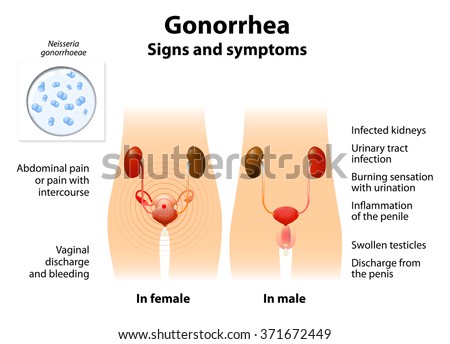
A girl who has gonorrhea may have no symptoms at all or her symptoms may be so mild that she doesn't notice them until they become more severe. In some cases, girls will feel a burning sensation when they urinate (pee), or they will have a yellow-green vaginal discharge. Girls also may have vaginal bleeding between menstrual periods.
If the infection becomes more widespread and moves into the uterus or fallopian tubes, it may result in an infection called pelvic inflammatory disease (PID), which can cause abdominal pain, fever,and pain during sexual intercourse, as well as the symptoms above.
How Does a Guy Know He Has It?
Guys who have gonorrhea are much more likely to notice symptoms,although a guy can have gonorrhea and not know it. Guys often feela burning sensation when they urinate, and yellowish-whitedischarge may ooze out of the urethra (at the tip of the penis).
How Long Until There Are Symptoms?
Symptoms usually appear 2 to 7 days after a person has beenexposed to gonorrhea, and in girls they may appear even later.
What Can Happen?
Gonorrhea can be very dangerous if it is left untreated, even insomeone who has mild or no symptoms. In girls, the infection canmove into the uterus, fallopian tubes, and ovaries (causing PID) andcan lead to scarring and infertility (the inability to have a baby).Gonorrhea infection during pregnancy can cause problems for thenewborn baby, including meningitis (an inflammation of themembranes around the brain and spinal cord) and an eye infectionthat can result in blindness if it is not treated.
In guys, gonorrhea can spread to the epididymis (the structureattached to the testicle that helps transport sperm), causing painand swelling in the testicular area. This can create scar tissue thatmight make a guy infertile.
In both guys and girls, untreated gonorrhea can affect other organsand parts of the body, including the throat, eyes, heart, brain, skin,and joints, although this is less common.
Using Fujibio Gonorrhea Test kit:
1. When you are ready to begin testing, open the sealed pouch by tearing along the notch. Remove the test kit from the pouch.
2. Using the pipette provided, dispense 4 drops (0.2 mL) of the specimen sample onto the sample well of the cassette.
3. Wait 10-20 minutes and read results. Do not read results after more than 30 minutes.
RESULTS
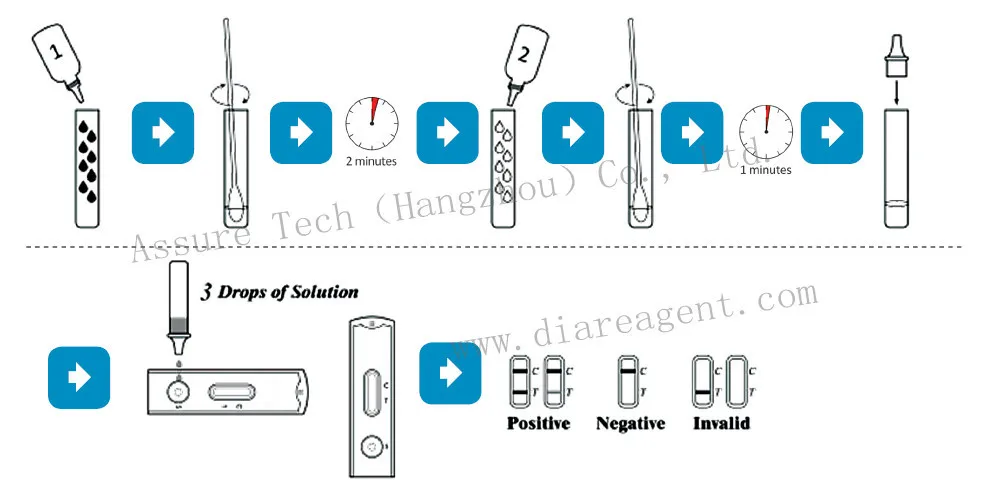
Negative: Only one colored band appears on the control (C) region. No apparent band on the test (T) region.
Positive: In addition to a pink colored control (C) band, a distinct pink colored band will also appear in the test (T) region.
Invalid: A total absence of color in both regions and no colored line appears in the control (C) region is an indication of procedure error and/or the test reagent deterioration. Repeat the test with a new kit.
How Is It Treated?
Doctors now test teens 15 and older for STDs as part of annual checkups, regardless of whether the teens disclose they are having oral, anal, or vaginal sex. This is to make sure that everyone gets treatment if they need it. All teens who are having oral, vaginal, or anal sex should get tested at least once a year for gonorrhea.
If you think you may have gonorrhea or if you have had a partner who may have gonorrhea, you need to see your doctor or gynecologist. He or she will do an exam that may include checking a urine (pee) sample. In some cases, testing may require swabbing of opening of the penis or the vagina or cervix for discharge. Talk to your doctor about which test is best for you. The doctor also may test for other STDs, such as HIV, syphilis, and chlamydia. Let the doctor know the best way to reach you confidentially with any test results.
If you are diagnosed with gonorrhea, your doctor will prescribe antibiotics to treat the infection. Anyone with whom you've had sex should also be tested and treated for gonorrhea immediately. This includes any sexual partners in the last 2 months, or your last sexual partner if it has been more than 2 months since your last sexual experience.
If a sexual partner has gonorrhea, quick treatment will reduce the risk of complications for that person and will lower your chances of being reinfected if you have sex with that partner again. (You can become infected with gonorrhea again even after treatment because having had gonorrhea once does not make you immune to it.)
After getting treated for gonorrhea, don't have sex for at least 7 days after you and your partner have both finished taking your antibiotics. If you have sex earlier than that, you could get reinfected.
It's better to prevent gonorrhea than to treat it, and the best way to completely prevent the infection is to abstain from oral, vaginal, and anal sex. If you do have sex, use a latex condom every time. This is the only birth control method that will help prevent gonorrhea.

Walang komento:
Mag-post ng isang Komento